


-
Products
- Accessories
- Aluminum "Frameless" Frames
- Aluminum Drop In Frames
- Aluminum SEG Silicone Edge Graphic Frames
- Aluminum Snap Frames
- Banner Stands
- Build-A-Stand
- Charisma SEG™
- CounterTop Displays
- Custom Brackets & Components
- Easels and Art Materials
- Exhibitor Products
- Framettes
- Hanging Graphic Hardware
- Hanging Graphic Structures
- InfoFrames
- Light Boxes
- Literature & Info Stands
- Magnetic Displays
- Miscellaneous
- New Products
- Origami™
- Point Of Purchase Displays
- Pop-Ups
- Poster Signholders
- Rigid Graphic Stands
- SignPost™
- Slatwall
- Specialty Displays
- Tension Fabric Structures
- Visual Merchandising Clamps`
- Printing
- Custom Solutions
- Catalogs
- Dealers Tools
- Sign In
- Custom Solutions

Item Added to Cart
Charisma SEG™ SEG Fabric Frames, SEG Light Boxes and Elevated SEG Stands
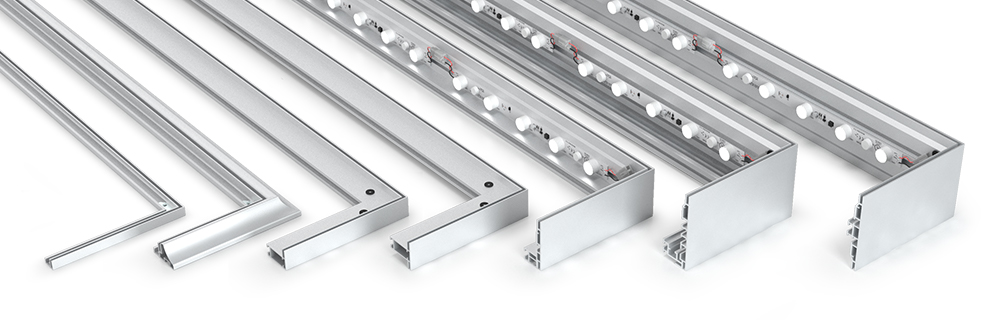
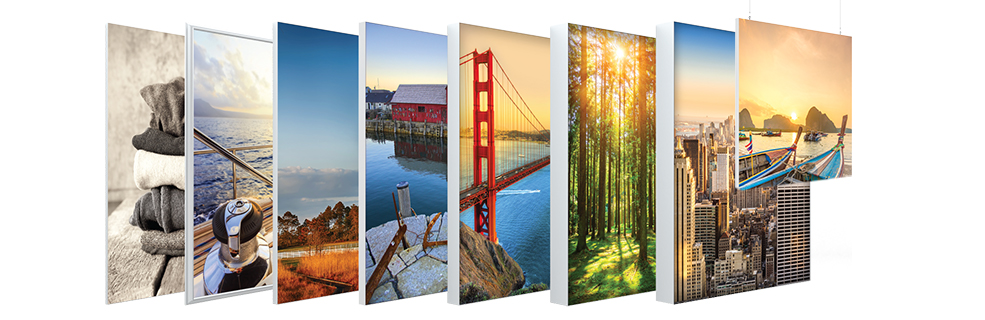
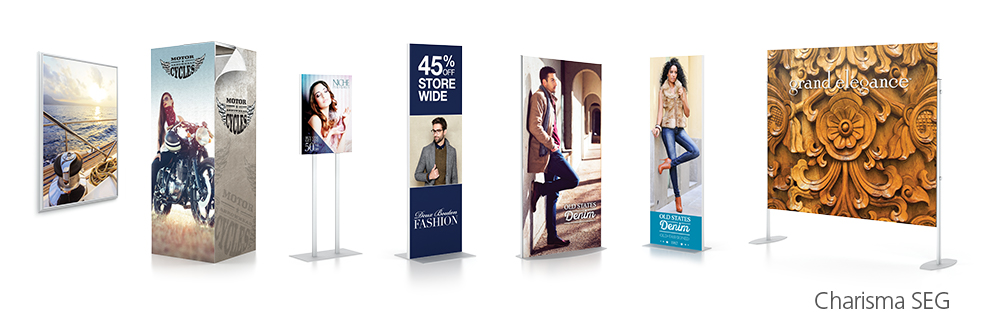
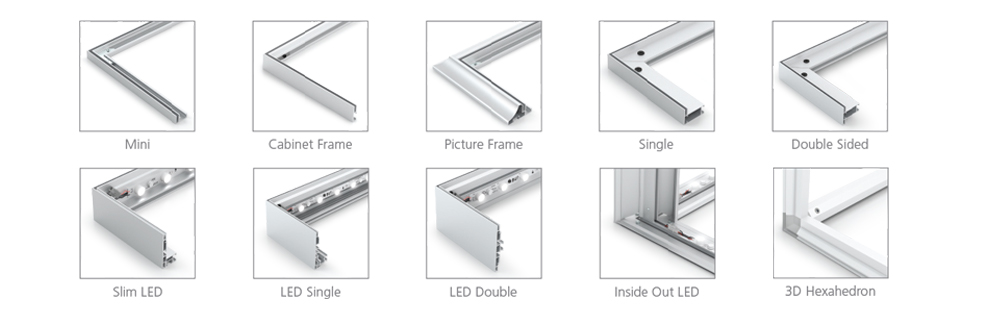




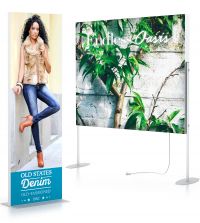
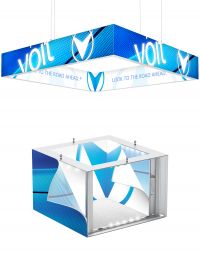
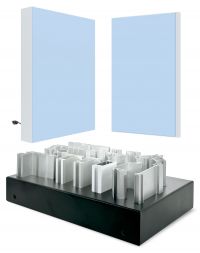
What Are Silicone Edge Graphics, SEG Graphics, and SEG Signage?
Silicone edge graphics, also known as SEG graphics, are fabric-based display solutions that create smooth, edge-to-edge visuals within a framed system. At Testrite, we manufacture SEG signage for professional environments that demand consistent presentation, reliable hardware, and adaptable graphic programs. These systems are used in retail stores, trade show exhibits, branded interiors, and other commercial spaces because they pair a polished appearance with practical day-to-day performance, supporting efficient updates, consistent branding, and scalable display programs across multiple locations and evolving marketing requirements globally. Testrite has a proprietary line of SEG Frames called Charisma SEG Frames, and these are offered in a range of styles, as well as in lit and non-lit varieties.
Understanding Silicone Edge Graphics Construction
Silicone edge graphics are made by printing imagery onto fabric and sewing a silicone strip around the perimeter. That strip is then inserted into a recessed channel in an SEG frame. Once installed, the fabric stretches evenly across the frame's face, creating a taut, uniform graphic surface.
This construction eliminates visible fasteners from the display area. The finished graphic looks clean, organized, and precise, which is important in environments where presentation reflects brand standards. Fabric quality, printing quality, and silicone edge accuracy all contribute to the final result.
What Defines SEG Graphics and SEG Signage
SEG graphics refer to the printed fabric portion of the system. SEG signage refers to the complete display solution, including the graphic and the frame that supports it. Understanding that distinction matters when planning a display program, since both elements affect appearance, fit, and long-term usability.
We design SEG signage systems so businesses can replace graphics without having to replace the hardware. That makes it easier to update promotions, refresh branding, or roll out seasonal messaging while keeping the display structure in place.
Why Silicone Edge Graphics Are Widely Used
Silicone edge graphics are widely used because they combine visual quality with operational efficiency. The installation process is straightforward, the finished presentation is refined, and the frame can often remain in service through multiple graphic changes.
For companies managing repeated updates across stores, events, or branded spaces, that flexibility matters. SEG signage supports cleaner presentation, easier graphic replacement, and better long-term value than many traditional display methods.
How SEG Frames Support Silicone Edge Graphics in SEG Displays
An SEG frame is not just a border around a fabric print. It is the structural component that determines how the graphic fits, how it tensions, and how it performs over time. At Testrite, we engineer SEG frames with close attention to fit, durability, and application requirements so the finished SEG display performs consistently in real-world settings.
Structure and Design of an SEG Frame
An SEG frame includes a channel that receives the silicone edge sewn into the graphic. That channel has to be produced with precision. If the profile is inconsistent, the fabric may not seat properly, affecting tension and visual appearance.
We manufacture SEG frame systems from durable materials, such as aluminum, because they offer strength without unnecessary weight. That balance supports both permanent installations and portable display formats. Good frame design also contributes to easier assembly, better alignment, and reliable repeat use.
How SEG Displays Maintain Tension and Alignment
SEG displays rely on even tension across the entire perimeter of the graphic. The silicone edge distributes that tension through the frame channel, helping the fabric stay smooth and minimizing wrinkles, ripples, or distortion.
Alignment matters just as much as tension. A well-made frame holds its geometry over time, which is especially important when graphics are changed repeatedly. In busy retail, event, and commercial environments, that consistency supports a more professional presentation.
Integration of SEG Frames in Display Systems
SEG frames can be integrated into wall displays, freestanding structures, lightboxes, hanging signs, and other branded environments. That range of uses makes SEG systems valuable for businesses that want a consistent visual language across multiple formats.
Because we have vertically integrated manufacturing capabilities, we can develop SEG frame solutions for standard programs and custom applications. That allows us to support projects that need specific dimensions, finishes, mounting options, or performance requirements.
Benefits of SEG Displays and Tension Fabric Displays for Visual Merchandising
SEG displays and tension fabric displays are popular in visual merchandising because they combine presentation quality with practical usability. We build these systems for professionals who need display hardware that looks polished, functions reliably, and can adapt to changing campaigns without creating unnecessary complexity.
Clean Visual Presentation with SEG Displays
SEG displays create a streamlined appearance because the fabric graphic extends cleanly across the frame without visible fasteners on the face. This helps the message stand out without visual distractions from hardware.
That clean presentation is valuable in retail and branded interiors, where display quality influences how products and messages are perceived. When graphics are printed well and tensioned properly, SEG displays strong brand consistency across locations and programs.
Flexibility of Tension Fabric Displays
A tension fabric display can serve a range of needs, from portable exhibit graphics to larger branded environments. These systems are often chosen for their lighter weight, transportability, and efficient setup.
We design tension fabric display solutions to balance ease of use with dependable structure. That matters for teams that need to install, remove, store, and reuse display materials across multiple events or installations without sacrificing presentation quality.
Efficiency in Graphic Updates and Maintenance
One of the strongest advantages of SEG and tension fabric systems is their efficiency in supporting graphic changes. In many cases, the fabric can be removed and replaced without replacing the full structure. That reduces waste and helps teams update messaging faster.
Maintenance is also simpler when the hardware is designed for repeat use. Businesses can standardize frames while rotating graphics to reflect changing promotions, campaigns, and branding needs throughout the year.
Applications of SEG Signage, SEG Displays, and Silicone Edge Graphics
SEG signage is used across many commercial environments because it offers a clean way to present graphics while supporting repeat use. We work with businesses that need reliable SEG displays for permanent installations, temporary campaigns, and custom-branded programs.
Retail Environments and Visual Merchandising
In retail settings, silicone edge graphics are often used to highlight product launches, promotions, and category messaging. Their clean appearance aligns well with modern store design, where visual clarity and strong brand presentation are important.
These displays can be integrated into walls, fixtures, windows, and freestanding elements. That flexibility helps retailers create cohesive environments that reinforce brand identity while keeping campaigns current.
Trade Shows and Event Displays
Trade show programs often require graphics that are portable, lightweight, and easy to install. SEG displays and tension fabric display systems work well in these settings because they can support large visuals without an overly complicated setup.
We design display solutions that hold up through repeated packing, transport, and installation. That durability matters for exhibitors and event teams managing multiple shows over time.
Corporate and Interior Branding
SEG signage is also used in offices, lobbies, showrooms, and other corporate interiors. In these spaces, the goal is often to communicate brand identity in a polished and lasting format. Backlit SEG displays can add emphasis and create focal points within a larger environment.
Because the graphics are replaceable, these systems also support periodic updates without requiring a full rebuild of the display hardware.
Comparing Silicone Edge Graphics and Tension Fabric Displays to Traditional Signage
Silicone edge graphics and tension fabric displays offer several advantages over traditional signage approaches. For businesses evaluating display options, the main differences usually come down to presentation quality, update flexibility, transport considerations, and long-term reuse.
Visual Quality and Presentation
Traditional signage can include visible frames, seams, grommets, or mounting hardware that interrupt the graphic surface. SEG graphics create a smoother visual field, helping imagery look more complete and refined.
A tension fabric display can also provide a smooth face, but SEG systems often deliver a more finished perimeter detail because the silicone edge is fully integrated into the frame channel.
Installation and Portability
Traditional rigid signage may require more labor, hardware, or installation time, especially when messages need to be changed. SEG displays and tension fabric displays are often easier to install and update, depending on the application.
That makes them useful in programs where displays move between locations or where messaging changes regularly. Portability and simplified updates can improve efficiency for marketing teams, retailers, and event managers.
Long-Term Value and Adaptability
When content changes, traditional signage may require businesses to replace the full sign or a more substantial portion of the display. SEG signage allows the frame to remain in place while only the printed fabric changes.
That adaptability can reduce waste, lower replacement costs, and make it easier to maintain a consistent hardware program across multiple campaigns. For many organizations, that combination of reuse and presentation quality makes SEG systems an effective long-term investment.
Custom SEG Frame, SEG Display, and Tension Fabric Display Solutions by Testrite
At Testrite, we design and manufacture SEG frames, SEG displays, and tension fabric display systems for professionals who need dependable hardware and responsive manufacturing support. Our experience in engineering, fabrication, and production enables us to develop solutions that meet the specific needs of retail, event, and OEM customers.
Engineering and Manufacturing Capabilities
Our in-house capabilities include fabrication, machining, assembly, and related production processes that support consistent quality across display programs. Controlling those processes helps us maintain tighter standards and respond more effectively to project requirements.
That manufacturing depth also supports better coordination between design intent and final production. The result is a display system built for function, fit, and repeatable performance.
Customization for Unique Display Needs
Not every project fits a standard template. Some programs require specific dimensions, finishes, mounting details, or structural considerations. We develop SEG frames and display solutions that can be tailored to those requirements without sacrificing usability or durability. Request samples to evaluate materials and finishes before committing to a full program.
That flexibility supports brands, printers, merchandisers, and event professionals looking for hardware that fits their environment rather than forcing the environment to fit the hardware.
Reliable Solutions for Professional Applications
Professional display programs depend on consistency. Hardware has to assemble properly, graphics have to fit correctly, and the finished result has to support the brand without distracting from it.
We build SEG displays and tension fabric display systems with that expectation in mind. By combining practical engineering with manufacturing experience, we provide silicone edge graphics solutions that support polished presentation, repeat use, and dependable performance across demanding commercial applications.
Across these applications, graphic fit is only one part of the equation. Frame quality, production consistency, and the ability to manufacture at scale all influence how well an SEG program performs once it moves from concept to rollout. We approach those details with the mindset of a manufacturing partner, not only a component supplier.
For printers and sign professionals, that distinction matters. SEG sample kits are available to help evaluate hardware fit and graphic compatibility before placing larger orders. Hardware must work with the printed graphic, support repeat ordering, and arrive with the consistency required for ongoing programs. A display that looks good in one location but varies in another can weaken the overall presentation. Consistency across production runs helps prevent that problem.
It also matters that SEG systems support a wide range of visual goals. Some projects call for understated wall graphics that integrate into a retail environment. Others require illuminated displays, large freestanding structures, or modular event systems that can be packed and reused. A well-designed SEG program can support all those needs while keeping the brand's visual language aligned from one setting to the next.
Because we build for professional use, we also consider assembly speed, replacement cycles, storage, and transportation. Those practical factors affect how a display system performs after installation day. Reliable hardware should support the people using it just as much as the graphics it presents over time.
